Project Citizen Media Literacy Lessons
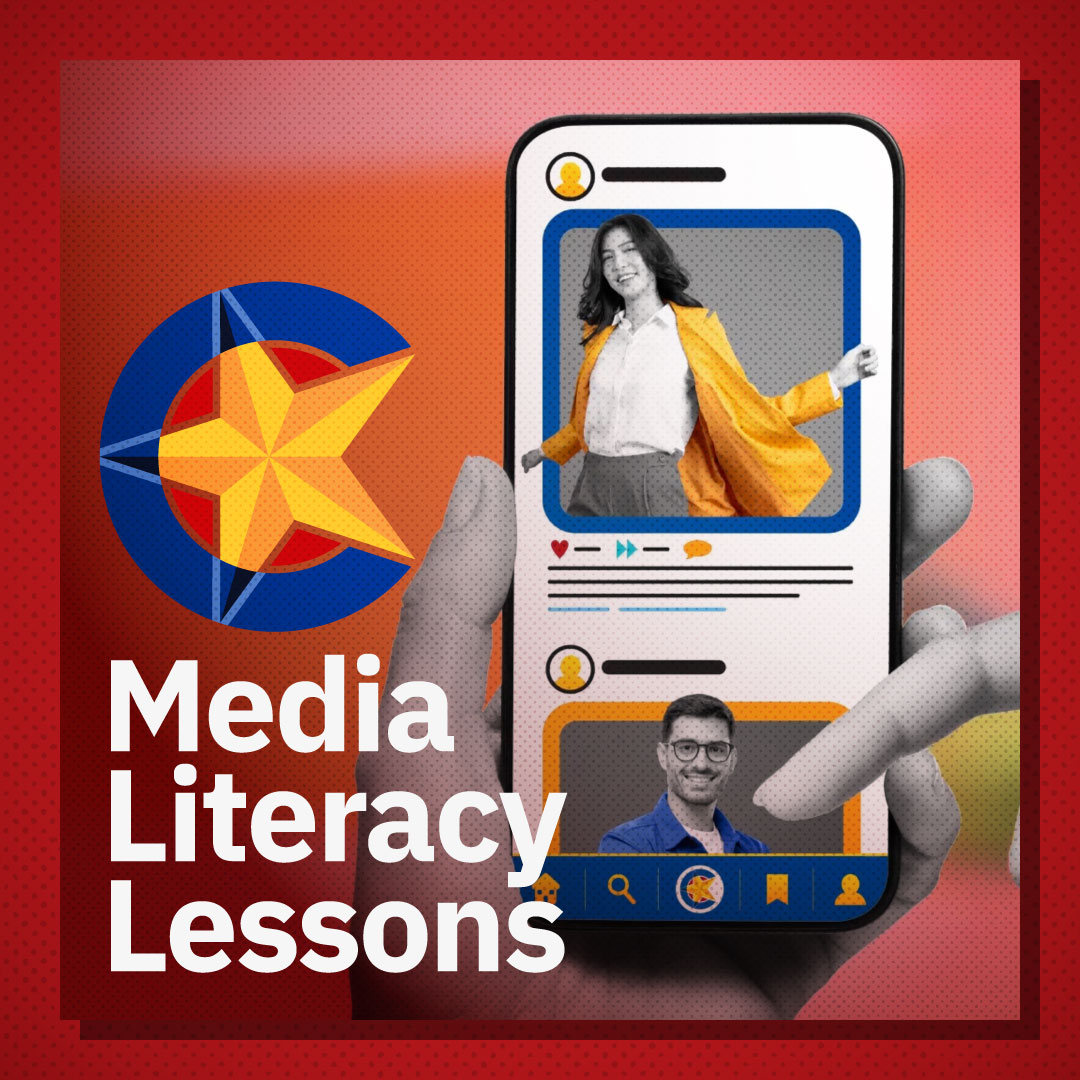
To empower elementary and middle school students for effective and responsible civic engagement, the Center for Civic Education and its partners developed a new set of lessons and teacher resources that integrate media literacy with hands-on engagement in public policy.
- Lesson 1: Does a Free Press Support Democracy
- Lesson 2: Do I Have a Role In Media Literacy?
- Lesson 3: Is All Media Biased?
- Lesson 4: Can I Identify Reliable Media Sources?
- Lesson 5: Do I Play a Role in Staying Safe Online?
- Lesson 6: Can I Effectively Create and Share Information?
- Lesson 7: Do I Have to Cite My Sources?
- Lesson 8: Am I Media Literate?
These 8 new lessons address challenges to accessing and analyzing reliable information in today’s media environment. Students will analyze media sources, organize policy information, and use media to responsibly inform others about policy issues.
— or view the video —
▶ Read More About this Video
A free press is like a watchdog for democracy. Media can ensure people know what is happening and help them make good decisions. This video explores the relationship between a free press and the functioning of a democratic society.
— or view the video —
▶ Read More About this Video
Everyone has a role to play in using and sharing media responsibly. This video explores how to contribute to media literacy by encouraging responsible media consumption and production.
— or view the video —
▶ Read More About this Video
Media can have different perspectives that influence how events or topics are seen or understood. It is important to recognize bias when consuming and producing media. This video explores how bias and perspective can shape the media.
— or view the video —
▶ Read More About this Video
Recognizing trustworthy media sources is important for understanding the world. Using the ESCAPE framework, this video discusses how to spot reliable sources and understand the impact of bias. This video explores media bias and strategies to combat misinformation.
— or view the video —
▶ Read More About this Video
Understanding online safety is important to everyone. This video examines the role individuals have in maintaining online safety and managing risks responsibly by exploring various online risks.
— or view the video —
▶ Read More About this Video
Creating and sharing media requires an understanding that everyone can be a media producer. Being a responsible digital citizen also requires skills in how to engage with an audience. This video covers the importance of using facts, specific steps for connecting to an audience.
— or view the video —
▶ Read More About this Video
Giving credit to where credit is due is always important, especially online. This video explores why people cite their sources and shares important tips for when you should use a citation.
— or view the video —
▶ Read More About this Video
Understanding and practicing media literacy is important for using media effectively. This video encourages reflection on current media literacy skills and explores the tools available in one’s media toolbox.
The new materials are integrated with the Project Citizen curricular program that engages young people in collaboratively proposing solutions to policy problems in their communities. Below is an outline of the media literacy lessons and how they align to the newest edition of Project Citizen: Community Engagement in Public Policy, Level 2.
Chapter | Project Citizen Topics | Media Literacy Moments |
|---|---|---|
1 | Do I Have the Power to Create Change in My Community? | • Does a Free Press Support Democracy? |
2 | Do We Need Public Policy? | |
3 | How Does Project Citizen Empower My Engagement in Public Policy? | • Do I Have a Role in Media Literacy? |
Step 1: Identifying Problems to Be Dealt With by Public Policy | ||
Step 2: Selecting a Problem or Problems for Your Class to Study | ||
Step 3: Gathering Information on the Problem You Will Study | • Is All Media Biased? • Can I Identify Reliable Media Sources? • Do I Play a Role in Staying Safe Online? • Do I Have to Cite My Sources? | |
Step 4: Developing a Portfolio to Present Your Research | • Can I Effectively Create and Share Information? | |
Step 5: Presenting Your Portfolio in a Simulated Public Hearing | ||
Step 6: Reflecting on Your Experience | • Am I Media Literate? | |
4 | Why Is My Participation Important to Democracy? |